
Why Does Blepharitis Keep Coming Back? Understanding Chronic Eyelid Irritation

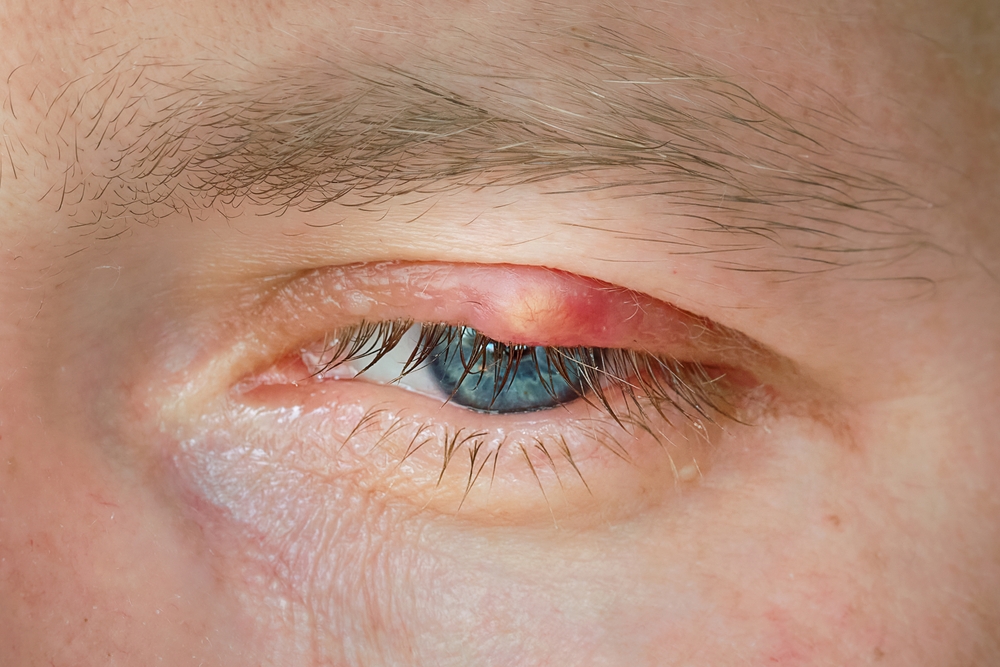
If your eyelids frequently feel red, itchy, or irritated, you may be dealing with blepharitis. This common eye condition causes inflammation along the edges of the eyelids and often returns even after symptoms improve. At Houston Dry Eye Clinic, we help patients in Houston, TX understand the causes of chronic eyelid irritation and find ways to manage recurring symptoms.
Why Does Blepharitis Keep Coming Back?
Blepharitis is often a chronic condition because the underlying causes do not always disappear when symptoms improve. Several factors can contribute to recurring eyelid inflammation, including bacterial buildup, excess oil, clogged oil glands, and certain skin conditions.
One common cause is meibomian gland dysfunction (MGD), which occurs when the oil-producing glands along the eyelids become blocked or do not function properly. Other contributing factors include rosacea, seborrheic dermatitis, and Demodex mites that live around the eyelashes. Without consistent management, these issues can trigger repeated flare-ups.
Common Signs of Chronic Blepharitis
Blepharitis symptoms may come and go, sometimes becoming more noticeable in the morning. Common signs include:
• Red, swollen, or irritated eyelids
• Crusting or flakes around the eyelashes
• Burning, itching, or gritty sensations
• Watery eyes or persistent dryness
• Eyelids that feel sticky upon waking
• Increased sensitivity to light
If these symptoms frequently return, an eye examination can help identify the underlying cause.
How Are Blepharitis and Dry Eye Connected?
Blepharitis and dry eye disease often occur together. The meibomian glands produce oils that help prevent tears from evaporating too quickly. When these glands become inflamed or blocked, the tear film may become unstable, leading to dryness and irritation.
For some Houston patients, treating recurring eyelid inflammation also requires addressing underlying dry eye symptoms. Managing both conditions can help improve comfort and reduce the frequency of flare-ups.
What Treatments Help Manage Recurring Blepharitis?
Because blepharitis has multiple possible causes, treatment depends on what is contributing to the inflammation. At Houston Dry Eye Clinic, we evaluate eyelid health, tear quality, and potential signs of meibomian gland dysfunction to help determine an appropriate treatment approach.
Management may include warm compresses, gentle eyelid cleansing, and consistent eyelid hygiene. Depending on the cause, prescription medications or other targeted treatments may also be recommended.
For patients experiencing dry eye associated with meibomian gland dysfunction, we also offer Intense Pulsed Light (IPL) therapy, which may help address inflammation associated with certain forms of dry eye. Maintaining a consistent eyelid care routine is important because stopping treatment too early may allow symptoms to return.
When Should You See an Eye Doctor for Blepharitis?
If you experience recurring crusting, redness, burning, or eyelid discomfort, it may be time for a professional evaluation. Persistent symptoms should not be ignored, especially when they interfere with daily activities. We provide personalized eye care to help Houston patients manage chronic eyelid irritation and associated dry eye symptoms.
Schedule an eye exam at Houston Dry Eye Clinic to learn more about managing recurring blepharitis and improving your eye comfort. Visit our office in Houston, TX, or call (713) 664-4760 to book an appointment today.

Services
Learn More
Keep
In Touch
Monday
8:30 AM to 5:00 PM
Tuesday
8:30 AM to 6:00 PM
Wednesday
8:30 AM to 5:00 PM
Thursday
8:30 AM to 5:00 PM
Friday
8:30 AM to 5:00 PM
Powered by 