
Understanding Tear Tests: Schirmer’s, TBUT, and Others

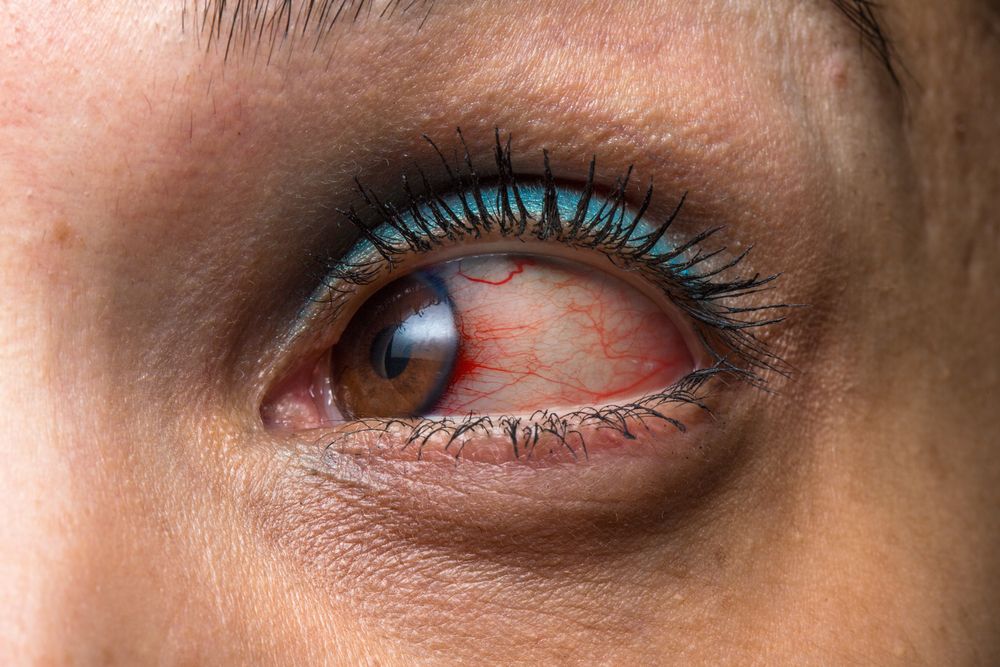
Dry eye is not always caused by one single problem. Some patients do not make enough tears, while others make tears that evaporate too quickly because the tear film is unstable. That is why tear testing matters. At Houston Dry Eye Clinic, we use a range of diagnostic tools to better understand what is happening on the surface of the eye so we can recommend more targeted treatment. Common dry eye testing includes Schirmer’s testing, tear break-up time, and tear osmolarity measurement.
What Schirmer’s Test Measures
Schirmer’s test evaluates tear production. During this test, a small paper strip is placed beneath the lower eyelid to measure how much moisture the eye produces over several minutes. This can help identify aqueous-deficient dry eye, which means the eyes are not producing enough tears to keep the surface comfortable and protected.
Why TBUT Is Important
TBUT stands for tear break-up time. This test helps measure tear film stability. After a small amount of dye is placed in the eye, we observe how long the tear film stays smooth before it begins to break apart. A shorter break-up time can point to evaporative dry eye, which is often linked to poor tear quality or meibomian gland dysfunction. TBUT is useful because it shows that dry eye is not only about tear volume - it is also about how well your tears function.
The Role of the TearLab Osmolarity System
We also include advanced testing such as the TearLab Osmolarity System. This technology measures tear osmolarity, or the salt concentration in your tears. Higher osmolarity can be a sign that the tear film is out of balance, which is common in dry eye disease. TearLab adds an objective data point to the exam and can help support diagnosis along with other clinical findings and your symptoms.
Other Tear Tests That May Be Used
Depending on your symptoms, we may also use other dry eye tests to get a fuller picture of your eye health, including:
- Ocular surface staining to look for damage on the cornea or conjunctiva
- Meibomian gland evaluation to assess the oil layer of the tear film
- A detailed review of symptoms, medical history, and environmental triggers
Dry eye can have more than one cause, so combining multiple tests often leads to a more accurate diagnosis and a more effective treatment plan.
Why a Complete Tear Assessment Makes a Difference
No single test tells the whole story. Schirmer’s can show whether tear quantity is low. TBUT can show whether tears are unstable. TearLab osmolarity testing can reveal whether the tear film is under stress. When these findings are considered together, we can better determine the type and severity of dry eye and recommend care that fits your needs. At Houston Dry Eye Clinic, this step is important because successful dry eye treatment starts with understanding the cause.
Get to the source of your dry eye discomfort with expert testing at Houston Dry Eye Clinic. Visit our office in Houston, Texas, or call (713) 664-4760 book an appointment today.

Services
Learn More
Keep
In Touch
Monday
8:30 AM to 5:00 PM
Tuesday
8:30 AM to 6:00 PM
Wednesday
8:30 AM to 5:00 PM
Thursday
8:30 AM to 5:00 PM
Friday
8:30 AM to 5:00 PM
Powered by 