
OptiLift vs. Standard Dry Eye Drops: Advanced Summer Relief in Houston

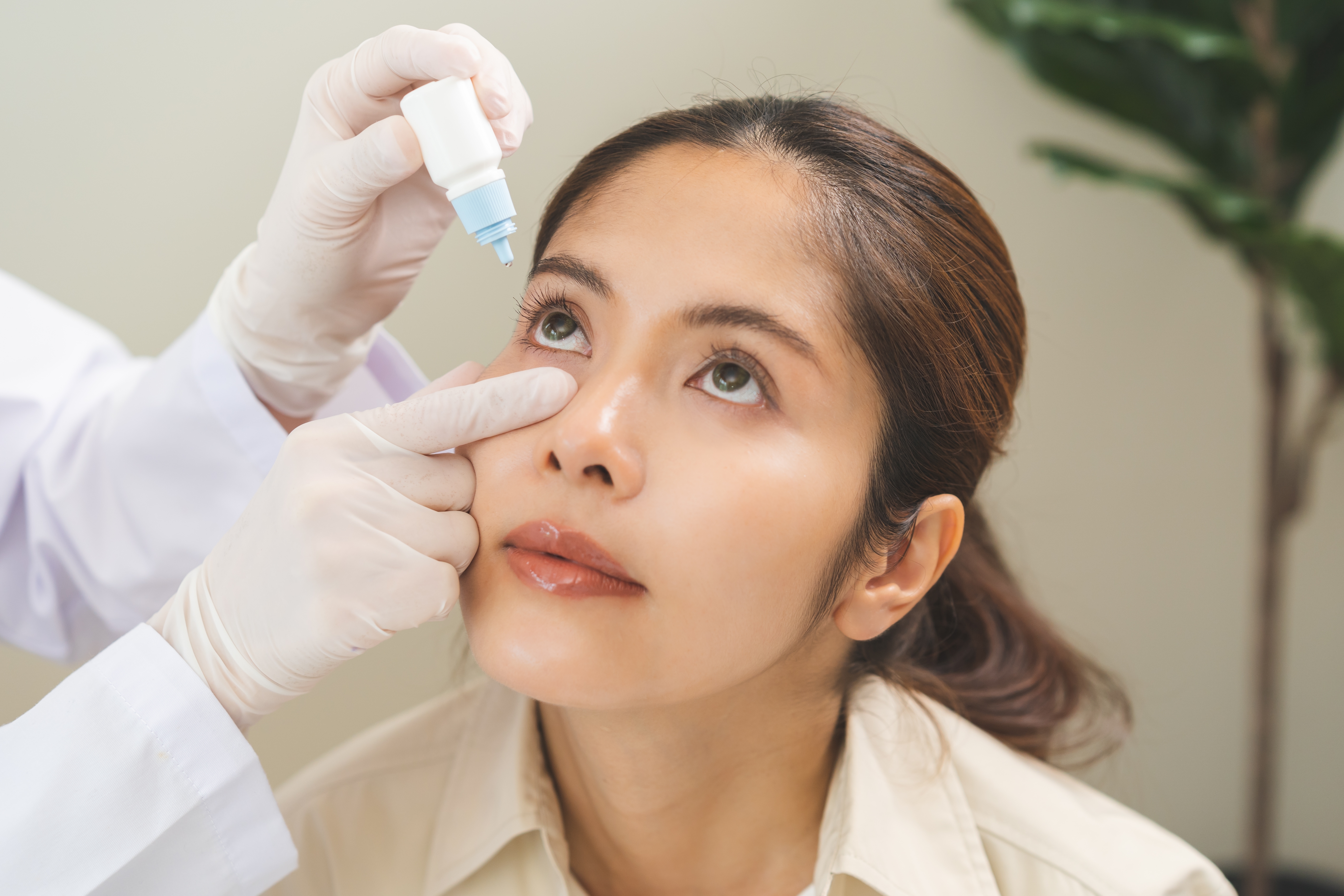
Houston summers can be difficult for patients with dry eye. Heat, humidity, air conditioning, allergens, and long hours of screen use can all make symptoms feel worse. For many people, standard dry eye drops offer short-term moisture, but the burning, watering, redness, and gritty feeling often return.
At Houston Dry Eye Clinic in Houston, patients can receive a detailed dry eye evaluation to better understand what is causing their symptoms and whether advanced dry eye treatment may be a better fit than relying on drops alone.
Why Dry Eye Gets Worse In The Summer
Dry eye happens when the tear film is not stable enough to keep the eyes comfortable. In Houston, summer conditions can disrupt the tear film in several ways. Outdoor heat can increase irritation, while indoor air conditioning can dry the eyes throughout the day. Pollen, dust, sunscreen, sweat, and contact lens wear may also aggravate the eye surface.
Some patients notice symptoms while driving, working at a computer, spending time outside, or moving between humid outdoor air and dry indoor air. If symptoms keep coming back, it may be time to look beyond temporary relief.
What Standard Dry Eye Drops Do
Artificial tears and lubricating drops can be helpful for mild or occasional dryness. They add moisture to the surface of the eye and may reduce burning, stinging, or scratchiness for a short time.
The limitation is that drops do not always treat the underlying cause of dry eye. If the problem is inflammation, meibomian gland dysfunction, eyelid irritation, or poor tear quality, drops may need to be used repeatedly without providing lasting comfort.
What Is OptiLift?
OptiLift is an advanced treatment option that may be used as part of a customized dry eye care plan. It is designed to support patients whose symptoms are related to eyelid function, inflammation, and tear film instability. For some patients, advanced in-office therapy can help address the factors that cause tears to evaporate too quickly.
Because dry eye can have different causes, OptiLift is not a one-size-fits-all solution. A dry eye evaluation helps determine whether this treatment, another therapy, or a combination approach is appropriate.
Signs You May Need More Than Drops
Standard drops may not be enough if your dry eye symptoms keep interrupting your day. Schedule an evaluation if you notice:
- Burning, stinging, or gritty eyes that return often
- Watery eyes that do not feel relieved
- Redness or irritation in air conditioning
- Blurry vision that comes and goes
- Contact lens discomfort
- Light sensitivity outdoors
- Heavy or tired eyelids
- Frequent need for artificial tears
These symptoms can point to dry eye disease, meibomian gland dysfunction, allergies, blepharitis, or another eye health concern.
OptiLift Vs. Drops: What Is The Difference?
Dry eye drops mainly treat surface dryness in the moment. OptiLift and other advanced dry eye treatments are intended to target deeper contributors to discomfort. Instead of only adding moisture, advanced care may focus on improving tear film quality, eyelid function, and inflammation control.
That does not mean drops are unnecessary. Many patients still use lubricating drops as part of their routine. The difference is that advanced treatment may help reduce dependence on drops when the underlying cause is properly managed.
Why A Diagnosis Matters First
Dry eye relief starts with the right diagnosis. Two patients can have similar symptoms but need different treatment plans. One may have evaporative dry eye from blocked oil glands, while another may have allergy-related irritation or inflammatory dry eye.
At Houston Dry Eye Clinic, a dry eye evaluation helps identify what is affecting the tear film and ocular surface. From there, your provider can recommend a personalized plan that may include at-home care, prescription therapy, in-office treatment, or advanced options such as OptiLift.
Getting Ahead Of Houston Summer Flare-Ups
Waiting until symptoms become severe can make dry eye harder to manage. If summer heat and indoor air conditioning are making your eyes feel worse, scheduling an evaluation can help you address the problem before it disrupts work, driving, reading, or contact lens wear.
To schedule a dry eye evaluation or ask about OptiLift, contact Houston Dry Eye Clinic in Houston, TX at 4760 Beechnut St., Houston, TX 77096, or call (713) 664-4760.

Services
Learn More
Keep
In Touch
Monday
8:30 AM to 5:00 PM
Tuesday
8:30 AM to 6:00 PM
Wednesday
8:30 AM to 5:00 PM
Thursday
8:30 AM to 5:00 PM
Friday
8:30 AM to 5:00 PM
Powered by 