
Meibomian Gland Dysfunction in Houston: Why Your Dry Eye Can Flare When the Weather Turns Cooler

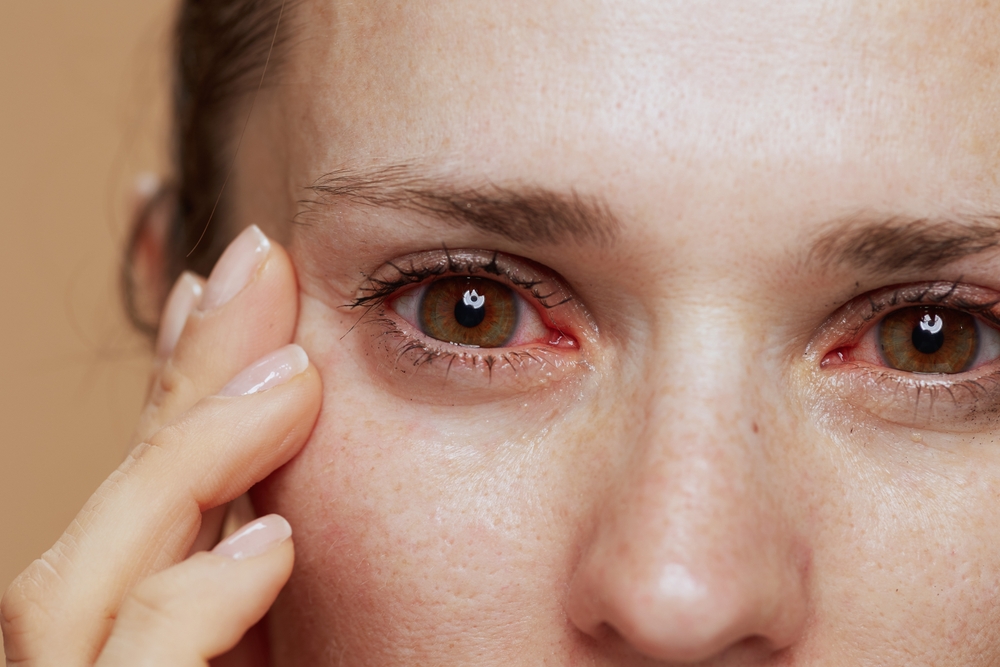
Cooler weather may feel like a welcome change in Houston, but for people with dry eye, seasonal shifts can sometimes make symptoms more noticeable. Changes in humidity, cooler winds, indoor heating, and increased time spent inside can all affect the tear film. For patients with meibomian gland dysfunction, these conditions may contribute to more burning, irritation, fluctuating vision, or a gritty sensation.
What Is Meibomian Gland Dysfunction?
Meibomian gland dysfunction, or MGD, occurs when the small oil-producing glands along the eyelids do not release enough healthy oil into the tear film. This oil layer helps slow tear evaporation and keeps the surface of the eyes comfortable.
When the glands become clogged or their oil becomes too thick, tears may evaporate too quickly. This is one of the common reasons patients can experience evaporative dry eye even when their eyes are still producing tears.
Why Cooler Weather Can Trigger Dry Eye Symptoms
Houston winters are generally mild, but cooler fronts can still create environmental changes that affect dry eye. Wind and lower humidity can increase evaporation from the eye's surface. Indoor heating can also reduce moisture in the air, especially when you spend long periods inside.
Patients with MGD may notice symptoms such as:
- Burning, stinging, or irritated eyes
- A sandy or gritty feeling
- Redness or watery eyes
- Fluctuating or blurry vision
- Contact lens discomfort
Symptoms can also become more noticeable after prolonged screen use because people tend to blink less frequently while concentrating on digital devices.
MGD Is More Than Temporary Dryness
Reaching for artificial tears may provide temporary comfort, but persistent dry eye symptoms can indicate an underlying problem with the tear film or eyelid glands. At Houston Dry Eye Clinic, we evaluate dry eye to better understand what is contributing to each patient's symptoms.
Treatment for meibomian gland dysfunction and dry eye may include lubricating drops, punctal plugs, prescription medications, LipiFlow therapy, Intense Pulsed Light therapy, BlephEx, lid debridement, or other options depending on the cause and severity of the condition.
Protecting Your Eyes During Cooler Houston Weather
Small daily adjustments may also help support eye comfort during seasonal changes. Using a humidifier indoors, avoiding direct airflow from heaters or fans, taking regular screen breaks, and practicing consistent eyelid hygiene can help reduce unnecessary irritation.
Warm compresses may also help soften thickened oils within the meibomian glands for some patients. However, recurring symptoms deserve an evaluation rather than relying solely on at-home treatment, particularly when burning, redness, discomfort, or changes in vision continue.
Personalized Dry Eye Care in Houston
Because dry eye can have several contributing factors, treatment is not necessarily the same for every patient. Identifying whether meibomian gland dysfunction, inflammation, poor tear production, or another issue is involved allows us to recommend care based on what we find during your evaluation.
If cooler weather is making your dry eye symptoms harder to manage, contact Houston Dry Eye Clinic in Houston, TX at (713) 664-4760 to schedule an evaluation and learn which treatment options may be right for you. Conveniently located to care for patients across Southeast Texas and beyond.

Services
Learn More
Keep
In Touch
Monday
8:30 AM to 5:00 PM
Tuesday
8:30 AM to 6:00 PM
Wednesday
8:30 AM to 5:00 PM
Thursday
8:30 AM to 5:00 PM
Friday
8:30 AM to 5:00 PM
Powered by 