
Can I Build a Resistance to Artificial Tears?

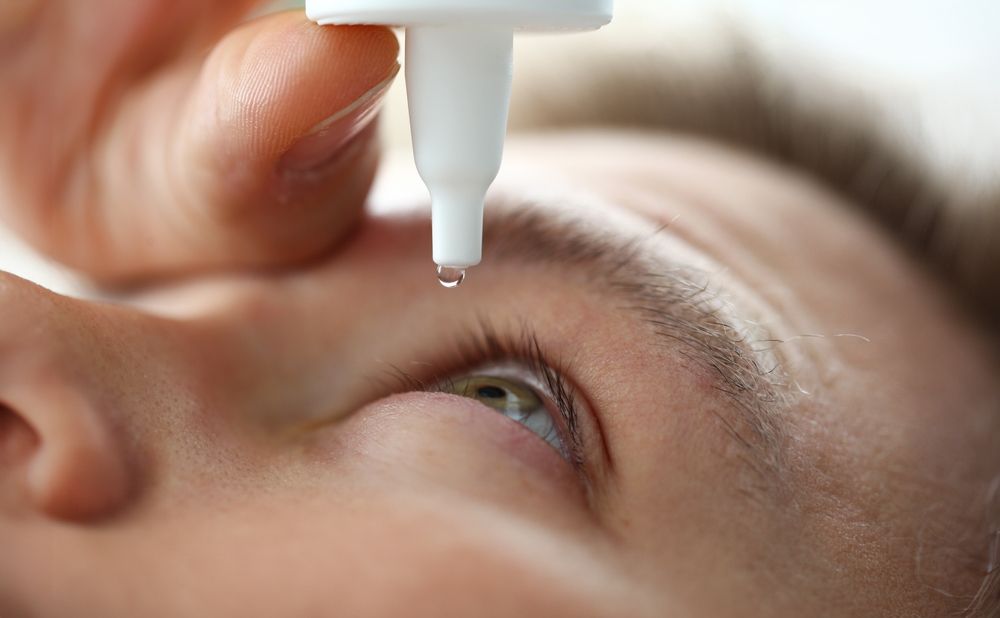
Artificial tears are often the first line of defense for dry eye relief, but over time, many patients feel they become less effective. This can lead to concerns about building a resistance to eye drops or worsening eye health. Understanding why this happens is an important step toward finding more lasting relief.
Why Artificial Tears May Stop Feeling Effective
Artificial tears are designed to supplement your natural tear film, not fix the underlying cause of dry eye. If your symptoms are progressing, drops may no longer be enough to keep up.
Here are the most common reasons patients feel artificial tears “stop working”:
• Progression of dry eye disease: Dry eye is often chronic and can worsen without targeted treatment, especially when the oil-producing meibomian glands are involved.
• Evaporation issues: If your tears evaporate too quickly due to meibomian gland dysfunction (MGD), adding more liquid tears won’t solve the problem.
• Preservative irritation: Frequent use of preserved drops can irritate the ocular surface, making dryness and inflammation worse.
• Masking symptoms, not treating the cause: Artificial tears can temporarily soothe irritation, but they don’t address inflammation, blocked oil glands, or abnormal tear composition.
Are Artificial Tears Bad for My Eyes?
Artificial tears are generally safe and helpful when used appropriately. For mild or occasional dryness, they may be all you need. The issue arises when they become your only form of treatment for moderate or severe dry eye. If you’re using drops multiple times a day and still feel dry, gritty, or irritated, that’s a sign the underlying condition needs to be addressed more directly.
Treating Dry Eye at the Source
One of the most effective ways to treat dry eye - especially when meibomian gland dysfunction is involved - is Intense Pulsed Light (IPL) therapy.
IPL doesn’t just manage symptoms; it targets key contributors to dry eye disease:
• Reduces inflammation around the eyelids
• Improves meibomian gland function
• Helps melt and release thickened oils
• Decreases abnormal blood vessels that fuel chronic inflammation
When the oil layer of your tear film improves, tears evaporate more slowly. This means your eyes stay comfortable longer - and your reliance on artificial tears often decreases significantly. Many patients who undergo IPL find they use fewer drops or no longer need them as frequently because their tear film is functioning more normally.
Artificial Tears vs. Long-Term Dry Eye Treatment
Think of artificial tears as a short-term comfort tool. They can be part of a comprehensive dry eye plan, but they shouldn’t be the entire strategy if symptoms persist.
Long-term relief usually requires:
• Identifying the specific type of dry eye
• Treating inflammation and gland dysfunction
• Supporting healthy tear production and stability
IPL therapy is often a key component of this approach, especially for patients who feel “stuck” using drops all day with minimal relief.
Take the Next Step at Houston Dry Eye Clinic
You can’t build a true resistance to artificial tears - but your dry eye disease can progress to a point where drops alone are no longer effective. If artificial tears aren’t providing the relief they once did, it’s a sign that your eyes may need more targeted treatment. By addressing the root cause of dry eye with advanced therapies like IPL, it’s possible to achieve longer-lasting comfort and reduce dependence on frequent eye drops.
If you’re tired of constantly reaching for artificial tears and still feeling dry or irritated, it may be time for a deeper evaluation. Contact Houston Dry Eye Clinic to schedule a dry eye consultation and learn whether IPL therapy could be the solution you. Visit our office in Houston, Texas, or call (713) 664-4760 book an appointment today.

Services
Learn More
Keep
In Touch
Monday
8:30 AM to 5:00 PM
Tuesday
8:30 AM to 6:00 PM
Wednesday
8:30 AM to 5:00 PM
Thursday
8:30 AM to 5:00 PM
Friday
8:30 AM to 5:00 PM
Powered by 